
Purpose of a Piano Transcription
The creation of a piano transcription is an art that requires a great deal of skill and knowledge. It is a process that involves listening carefully and recording a piece of music in the form of an audio file. This is then analyzed and converted into a written musical score that can be played on the piano. There are various tools that can be used in this process, ranging from a pencil and paper to a sophisticated music notation program. There are also tools that allow the music to be slowed down, which can make it easier to hear and transcribe.
The purpose of a piano transcription is to record the notes and timings of a particular piece of music. It can be useful for pianists who wish to learn a new song or a particular part of a song, or it can simply serve as a reference point for practicing a piece that is already familiar. Transcriptions can also be helpful in analyzing how a particular piece of music is constructed, including its key signatures, time signatures and tempo markings.
There are many different ways to create a piano transcription, and the method that is best for you depends on your level of expertise and the equipment available. Some transcribers choose to work without a piano or any other instrument, using only their ear and a computer to create the score. This can be difficult and require a lot of patience and practice, but it is possible to do.
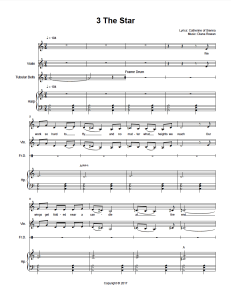
What is the Purpose of a Piano Transcription?
A more common approach to creating a piano transcription is to use a digital audio recorder (DAW) and a music notation software program. This can be done on a laptop, desktop computer or even a tablet device. Using this type of software can be much more convenient and accurate than working by hand with a pencil and paper. It is also possible to use a keyboard to play back the recording and listen for note-for-note accuracy.
The term “transcription” is often used interchangeably with arrangement. The difference is that transcriptions are faithful adaptations of a composition for a different instrument or ensemble, while arrangements allow the arranger to take some creative liberties with certain elements of the original work. Examples of both kinds of transcriptions can be found in the music of JS Bach who adapted a bundle of violin concertos for keyboard instruments; Mozart’s re-orchestrations of overtures and songs from his popular operas for wind ensembles; and Ravel’s orchestral arrangements of pieces by Mussorgsky and Webern.
The basic skills required to create a piano transcription are the ability to understand and read musical notation and to have a good ear for hearing and recognizing different musical elements. The process begins with immersive listening to the piece of music multiple times, absorbing the overall feel and structure of the piece. This is then broken down into manageable segments to be transcribed at four different levels: frame-level, note-level, stream-level and notation-level.


+ There are no comments
Add yours