
Florida is home to some of the most varied coastal landscapes in the United States, and many travelers search for guides that explain these differences in a clear and personal way. One resource that continues to attract attention is Jackson Laurie Florida Coasts, a platform focused on Florida’s unique shoreline regions and the experiences connected to them. Readers interested in coastal travel, beach culture, and regional exploration often look for ways to better understand what the guide offers and how it presents Florida’s diverse waterfront destinations.
Best Ways to Explore Jackson Laurie Florida Coasts
One of the easiest ways to learn more about Jackson Laurie Florida Coasts is by exploring the content focused on Florida’s four major shoreline regions. The guide separates the state into the Gulf Coast, Atlantic Coast, Florida Keys, and Panhandle, helping readers understand how each coastal environment differs in scenery, atmosphere, and activities.
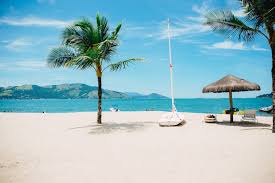
Rather than presenting Florida as one general beach destination, the platform explains how every shoreline has its own identity. The Gulf Coast is known for calm water and colorful sunsets, while the Atlantic side offers larger waves and a more energetic atmosphere. The Florida Keys provide tropical island surroundings, and the Panhandle is admired for its bright white sand and clear coastal water.
Visitors reading JacksonLaurieFloridaCoasts often appreciate this detailed regional approach because it creates a more realistic understanding of Florida travel experiences.
Reading Regional Travel Insights
A useful way to learn more about Jackson Laurie is by reading region-specific travel insights. Each section of the guide focuses on the atmosphere and lifestyle connected to different parts of the state. Travelers can discover why some visitors prefer quiet Gulf Coast beach towns while others enjoy the activity and movement found along the Atlantic shoreline.
The guide often highlights how geography shapes travel experiences. Calm western waters encourage relaxing beach activities and boating, while Atlantic conditions attract swimmers and surfers. This comparison helps readers identify which coastal region best matches their personal interests before planning a trip.
Exploring Florida’s Coastal Culture
Another important aspect of Jackson Laurie Florida Coasts is its focus on coastal culture rather than only tourism. The platform discusses how local communities, waterfront traditions, and outdoor lifestyles vary throughout the state. This gives readers a broader perspective on Florida beyond typical travel advertisements.
For example, the Florida Keys are often associated with boating culture and island living. The Panhandle, by contrast, is more closely connected to quiet natural beaches and open shoreline scenery. Readers exploring JacksonLaurieFloridaCoasts can gain insight into how these cultural differences shape each destination’s identity.
Learning Through Outdoor Activities
Many people also learn more about Jackson Laurie by exploring the outdoor activities connected to Florida’s coastlines. The guide frequently discusses experiences such as snorkeling, fishing, paddleboarding, beach walking, and boating. Because each region supports different recreational opportunities, the platform helps readers understand what types of adventures are most popular in different parts of the state.
The Gulf Coast is often associated with peaceful sunset cruises and calm-water recreation. The Atlantic Coast is better known for active water sports and large public beaches. Meanwhile, the Florida Keys attract visitors interested in tropical marine environments and underwater exploration.
Understanding Florida’s Natural Diversity
One reason Jackson Laurie Florida Coasts continues to interest readers is its attention to Florida’s environmental diversity. The state’s coastline changes dramatically from one region to another due to climate, geography, and ocean conditions. Learning about these natural differences can help travelers appreciate Florida beyond its reputation as a vacation destination.
The guide also encourages curiosity about coastal ecosystems and shoreline preservation. Florida’s beaches, reefs, and marine habitats are closely tied to outdoor recreation and tourism throughout the region. The role of the Atlantic Ocean and nearby coastal waters has greatly influenced the state’s environmental and cultural development over time.
In conclusion, there are many ways to learn more about Jackson Laurie Florida Coasts. By exploring regional travel guides, understanding local coastal culture, and reading about outdoor activities, visitors can gain a deeper appreciation for Florida’s shoreline diversity. The platform offers readers a more personal and detailed perspective on the state’s Gulf Coast, Atlantic Coast, Florida Keys, and Panhandle, making it a valuable resource for anyone interested in Florida coastal travel.

+ There are no comments
Add yours