
Hyperbaric oxygen therapy (HBOT) is widely used to support healing in conditions such as chronic wounds, decompression sickness, radiation injuries, and neurological recovery. The therapy works by increasing oxygen delivery to tissues through a pressurized chamber environment, helping stimulate circulation, cellular repair, and immune function. Although clinical protocols are important, many patients do not realize that daily habits and lifestyle choices can also influence hyperbaric therapy effectiveness. Research increasingly suggests that nutrition, sleep quality, smoking, stress levels, and physical activity all play a role in determining how well patients respond to treatment.
How Lifestyle Choices Affect Hyperbaric Therapy Effectiveness
The body’s ability to heal efficiently depends on far more than oxygen exposure alone. Hyperbaric oxygen therapy enhances oxygen availability, but patients still require healthy circulation, balanced nutrition, and proper metabolic function for tissues to repair effectively. This is why healthcare providers often recommend supportive lifestyle changes during HBOT treatment programs.
One of the most significant factors affecting hyperbaric therapy effectiveness is smoking. Nicotine constricts blood vessels and reduces oxygen transport throughout the body. Since HBOT is designed to increase oxygen delivery, smoking can directly interfere with treatment goals and reduce therapeutic benefits. Many clinics strongly encourage patients to stop smoking before and during therapy to improve circulation and tissue recovery.
Nutrition and Hydration
Diet also has a major impact on healing capacity. The body needs adequate protein, vitamins, and minerals to rebuild damaged tissue and support immune function. Patients with nutritional deficiencies may experience slower recovery even when receiving regular HBOT sessions.
Foods rich in antioxidants, healthy fats, and lean proteins can help support cellular repair and reduce inflammation. Proper hydration is equally important because oxygen and nutrients travel through the bloodstream more efficiently when the body is well hydrated. These factors contribute significantly to overall hyperbaric therapy effectiveness, especially for patients undergoing treatment for chronic wounds or post-surgical healing.
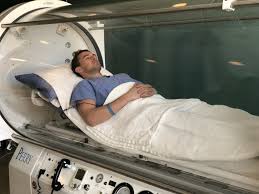
Independent educational resources such as baricboost.com frequently discuss the importance of combining evidence-based HBOT protocols with healthy lifestyle practices. These resources help patients understand that oxygen therapy often works best as part of a broader wellness and recovery strategy rather than as a standalone solution.
Sleep and Recovery
Sleep quality is another overlooked contributor to hyperbaric therapy effectiveness. During deep sleep, the body releases growth hormones and carries out many of its natural repair processes. Patients with chronic sleep deprivation may experience reduced immune function, slower tissue regeneration, and increased inflammation, all of which can limit the benefits of HBOT.
Many physicians encourage patients to maintain consistent sleep schedules while undergoing hyperbaric treatment. Restorative sleep may enhance the body’s ability to respond to increased oxygen exposure and accelerate healing outcomes over time.
Physical Activity and Circulation
Moderate physical activity can support HBOT results by improving blood circulation and cardiovascular health. Better circulation helps oxygen-rich blood reach tissues more efficiently, which is especially important for patients recovering from injuries or vascular-related conditions.
However, exercise recommendations depend on the patient’s medical condition. Some individuals may benefit from light walking or rehabilitation exercises, while others require more cautious activity levels. Healthcare providers typically customize recommendations based on the patient’s diagnosis and overall physical condition.
Stress and Mental Health
Chronic stress can negatively affect healing by increasing inflammation and disrupting hormonal balance. Elevated stress hormones may weaken immune response and slow tissue repair, potentially reducing hyperbaric therapy effectiveness. Patients experiencing high stress levels may benefit from relaxation techniques such as meditation, breathing exercises, or counseling during treatment.
Mental health also influences treatment consistency. Patients who feel motivated and emotionally supported are often more likely to complete the full recommended course of HBOT sessions. Since many protocols involve multiple treatments over several weeks, adherence is critical for achieving positive outcomes.
The Importance of a Comprehensive Approach
Modern HBOT research increasingly supports the idea that treatment outcomes depend on a combination of medical protocols and healthy daily habits. Evidence-based studies continue to examine how lifestyle factors interact with oxygen therapy in areas such as neurological recovery, wound healing, and inflammation management.
Growing interest in preventive medicine has also highlighted the connection between long-term wellness habits and recovery potential. Patients who prioritize healthy routines often create a stronger foundation for healing and tissue regeneration.
Overall, hyperbaric therapy effectiveness is influenced by far more than chamber pressure and oxygen exposure alone. Lifestyle factors such as smoking, nutrition, sleep, stress management, and physical activity all contribute to how the body responds to treatment. By combining HBOT with supportive health practices, patients may improve their chances of achieving better and more sustainable clinical outcomes.

+ There are no comments
Add yours