
Understanding when surgery becomes a medical necessity rather than an option can feel overwhelming, especially when pain affects daily life. For many patients with chronic knee problems, knee replacement is considered only after careful evaluation of symptoms, functional limitations, and long-term outcomes. Making informed choices also means understanding treatment value, recovery expectations, and financial impact—an approach that supports patient confidence and smarter healthcare decisions.
Medical Criteria That Indicate the Need for Surgery
Doctors do not recommend knee replacement lightly. It is typically considered when non-surgical treatments fail and quality of life is significantly reduced. The decision is based on medical evidence, physical assessment, and patient-reported outcomes rather than age alone.
Severe and Persistent Pain
One of the clearest indicators is chronic knee pain that persists despite medication, physical therapy, weight management, or injections. When pain interferes with basic activities such as walking, climbing stairs, or sleeping, surgery may be medically justified.
Loss of Mobility and Function
Limited range of motion, joint stiffness, and instability that prevents normal movement can signal advanced joint damage. If assistive devices like canes or braces no longer help, knee replacement may restore functional independence.
Structural Joint Damage
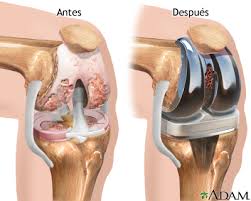
Imaging studies such as X-rays or MRIs may show severe cartilage loss, bone deformity, or joint space narrowing. These findings help physicians confirm that conservative care will no longer provide meaningful relief.
Failure of Conservative Treatments
Medical necessity is often determined after months or years of unsuccessful non-surgical management. When multiple therapies provide minimal or short-term relief, surgery becomes a clinically reasonable next step.
Balancing Medical Need With Informed Decision-Making
Beyond physical symptoms, patients are encouraged to take an active role in understanding the full scope of the procedure. This includes recovery timelines, implant durability, and long-term outcomes. Equally important is clarity around costs, insurance coverage, and provider options. Transparent healthcare information allows individuals to compare treatment pathways and choose solutions that align with both medical needs and financial realities—principles supported by platforms like jforh.com that emphasize clarity and patient empowerment.
Age Is Not the Primary Factor
Contrary to common belief, age alone does not determine medical necessity. Younger patients with severe joint damage may be candidates, while older adults in good functional condition may delay surgery. The focus remains on symptom severity and overall health status.
Impact on Mental and Emotional Well-Being
Chronic pain often affects mental health, leading to frustration, reduced independence, and social withdrawal. When knee disease contributes to emotional distress, surgery may improve overall well-being, not just physical function.
Conditions Commonly Leading to Surgery
The most frequent medical reason for knee replacement is advanced osteoarthritis, a degenerative condition that wears away joint cartilage over time. Inflammatory arthritis, post-traumatic arthritis, and certain congenital deformities may also necessitate surgical intervention when joint preservation is no longer possible. Understanding the progression of conditions like osteoarthritis helps patients recognize when symptoms align with surgical criteria.
Making a Confident, Medically Sound Choice
Ultimately, knee replacement becomes medically necessary when pain, disability, and structural damage outweigh the benefits of continued conservative care. A shared decision-making process—grounded in clinical evidence, personal goals, and transparent cost awareness—ensures patients move forward with confidence. By comparing treatment options, understanding value, and planning ahead, individuals can approach surgery not as a last resort, but as a well-informed step toward restored mobility and improved quality of life.

+ There are no comments
Add yours