
Quality Control in PCB Manufacturing Assembly
The role of quality control in pcb manufacturing assembly is to ensure that all crucial steps in the production process are completed correctly, resulting in a functional and reliable final product. This is particularly important because PCBs are used in critical applications and cannot afford to have any flaws or defects that can render them unusable. Having stringent quality control measures in place during the assemblage process helps to reduce the number of defective products and improve the overall efficiency of the production line.
The first step in quality control for PCB assembly is verifying that the component parts used are of the proper quality and type. This involves checking the manufacturer’s bill of materials (BOM) against the component parts list to make sure that all components correspond with one another and adhere to the correct technical specifications. Often, this is performed with automated optical inspection or X-ray inspection.
Once the component parts have been verified, they must be properly placed on the PCB. For high-volume PCB assembly, this is normally done by using a pick-and-place machine with auto-feeder reels of SMT components and high-speed heads. However, some components are too small or incompatible with the machine and must be hand-placed instead. Once all of the components are properly placed on the board, they must then be soldered, which is a very precise process. This is where a good quality pick-and-place machine really shines, as it can be programmed to precisely follow the design of the circuit board, ensuring that each solder joint is created in the exact location needed and that no gaps or voids are present.
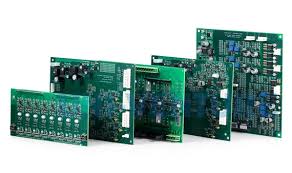
The Role of Quality Control in PCB Manufacturing Assembly
During the PCB assembly process, it is also very important to carry out quality checks on all of the layers and to inspect each component. This can be done manually or with automated equipment, and will reveal problems like missing components, incorrect footprint matches, and faulty solder joints.
After the board is complete, it must undergo a series of tests to determine its performance in real-world environments. This includes evaluating the board’s reliability under extreme temperatures, humidity, and vibration. In addition, a thorough electrical test is performed to ensure that all of the connections are made and that they work as intended.
The key to successful PCB assembly is a well-documented quality control process. By incorporating robust quality controls throughout the manufacturing process, manufacturers can significantly reduce the occurrence of defects and save money in the long run. By catching errors early in the assembly process, they can avoid costly rework and scrap costs in the future. By reducing defect rates, manufacturers can improve the reliability of their products and boost customer satisfaction levels. This translates to more sales for the company and increased customer loyalty for the brand.
The IPC standards are very comprehensive and cover a wide range of topics. They include a set of target conditions and acceptable parameters, such as structural integrity, solderability, and conductor spacing. They also specify the methods for testing a printed circuit board and how to generate data sharing formats like Gerber files.

+ There are no comments
Add yours