
Consider When Designing Electronic Circuit Boards
Creating an electronic circuit board can be complex and time-consuming, so it is important to design the PCB correctly from the beginning. Whether you are designing a small prototype or a full-scale production unit, there are several key factors to consider when designing your circuit board. These include component placement, signal integrity, power distribution, and thermal management. By following the tips and considerations in this article, you can ensure that your circuit board will perform as intended and have a long life without many challenges and delays.
The first step in designing a circuit board is to create a comprehensive requirements specification. This document will cover all of the information necessary for your circuit to function, including signal, current, and voltage specifications, power needs, operating temperature ranges, radiation shielding, and other important details. Once you have a complete requirements specification, you can begin to create your schematic and bill of materials for the circuit.
Once the schematic and bill of materials are created, it’s important to review them for any errors or omissions that may be introduced during the design process. Then, you can start to build the physical layout of your circuit board. For this step, it is critical to follow DRC and DFM guidelines. DRC refers to the adherence to design rules, while DFM refers to the adherence to manufacturing rules. By following these rules, you can be sure that your PCB will be functional and durable and that it will meet all of the required regulatory standards.
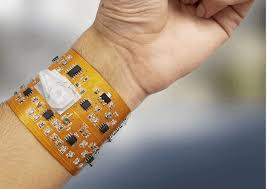
Key Factors to Consider When Designing Electronic Circuit Boards
It’s also important to consider the component placement for your circuit board, since this will have a significant impact on the performance of the finished product. You want to make sure that all of the components are grouped together logically, and that the traces connecting them have sufficient length. You will also need to account for any heat-generating components, such as capacitors, inductors, and diodes. These need to stay separated from heat-sensitive components so that they do not cause any damage or shorten the life of the circuit board.
Finally, you will need to pay close attention to the layout of the power and ground planes for your circuit board. This will help to prevent EMI and electromagnetic interference (EMI), which can cause a variety of issues that can affect the functionality of your circuit board. In addition, it’s important to avoid any overlapping traces in the electronic circuit boards. This can cause problems with signal transmission and can lead to a loss of functionality or performance.
Lastly, it’s essential to test your circuit board on a breadboard before finalizing the design and submitting it for fabrication. This will allow you to catch any errors in your layout and make the necessary corrections before they have a chance to cause costly mistakes in the manufacturing process. This will help you save both money and time in the long run.

+ There are no comments
Add yours