
Fast Turn PCB Assembly
Modern medical practices rely heavily on high-technology machines that are often powered by printed circuit boards (PCBs). These tiny electronic devices are small enough to fit in a doctor’s office, and include advanced features like a host of sensors that monitor patient health. This makes them a vital part of medical equipment, including ventilators, cardiac monitoring, imaging systems and other cutting-edge technology.
To produce these devices, manufacturers must adhere to strict governing standards. The biggest regulating bodies include the IEC, ISO and the FDA, but each has their own specific guidelines that need to be followed. To ensure the best possible outcome, many medical devices must be compliant with ISO 13485, which requires full traceability of all parts and materials. This makes working with a fast turn printed circuit board assembly manufacturer a crucial step for the success of any new device.
With the rapid advancement of science and technology, many aspects of healthcare have become automated. In the case of medical devices, this includes diagnostic and treatment tools that can be used in doctors’ offices and hospitals to treat patients remotely. The key components that power these devices include microprocessors, memory chips and printed circuit boards (PCBs). As the medical industry becomes more sophisticated, it is necessary for a wider range of medical equipment to use automated devices for accurate data collection, patient monitoring and treatment delivery. As a result, these devices require high-technology circuit boards with specialized features for accurate and reliable operation.
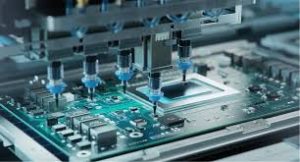
Fast Turn PCB Assembly for Medical Devices
The first step for any medical device to include a PCB is to have the design for the board completed. Ideally, the design will be made using an easy-to-use software application that helps the designers create a schematic for the board’s layout. Once this is complete, the design will be reviewed for manufacturability and any standard components must be sourced for price and availability. A thorough review of the design is also needed to make sure it meets reflow soldering requirements, as well as other essential standards for the medical device.
Once the design is finalized, it will be sent to a medical PCB manufacturing plant. The factory will utilize a plotter printer to convert the schematic into a film that serves as a negative of the actual circuit board. The film will have copper layers that display the circuits and copper traces, and areas of the board that are not to be etched will be marked with black ink. The board will then undergo etching, which removes the non-copper areas and leaves behind the copper traces. After etching, the circuit board will be laminated to a fiberglass base and UV cured.
Adapting to the needs of medical devices, it is important that a fast turn printed circuit board assembly provider has experience with working with medical equipment. This experience helps to minimize the time it takes to manufacture medical devices and reduce the cost of production. In addition, the ability to offer quick iterations of a product can help companies adjust their products in response to beta testing and market feedback.

+ There are no comments
Add yours