
flex PCB production
A flex circuit board consists of a metallic layer of copper (or less often constantan) bonded to a dielectric base, such as FR-4 or polyimide. Multilayer flex circuit boards can be up to eight layers thick.
Flex circuits are used to connect components inside portable electronic devices and other products with limited space, such as tablets or smartphones. They are also used in medical equipment that comes into direct contact with patients. Flex PCBs require careful design and manufacturing processes to ensure they can withstand repeated bending and stress, as well as vibration.
A key component in the flex pcb production process is the etching technology that reduces the thickness of the copper traces to make them flexible and conductive. It is a critical step in the production of a flex PCB and requires the use of specialized tools to avoid damaging the delicate metals.
What are the key components involved in flex PCB production?
Another important element is the plating technology that ensures a smooth, even finish on all surfaces of the conductive layer. This is essential to a flex PCB’s ability to conduct electrical current. It is also necessary for EMI shielding. Finally, the drilling technology that is used to produce holes in a flex PCB must be able to handle the high temperatures associated with this process.
To ensure that the metallization of the conductive layer is smooth and consistent, manufacturers utilize a variety of surface preparation techniques. These include copper cladding, desmear technology and electroless copper plating. These steps ensure that the final product will meet industry-standard quality standards and be able to withstand high temperatures and harsh environments.
The assembly process for a flex PCB can be difficult because of the deformation that occurs during flexing. The assembly machines must be smart enough to understand these dimensional variations and adjust their positioning. In addition, X-ray inspection can help identify defects like misplaced components or incomplete solder joints.
Stiffeners are often added to flex PCBs for mechanical support, particularly when they have to endure high amounts of force or stress. Stiffeners are typically made of a material that is compatible with the material of the flex PCB, such as glass-reinforced epoxy, FR-4 or polyimide. The stiffener thickness should be based on the application’s expected stress and deflection requirements.
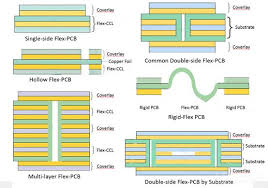
A rigid-flex PCB has a combination of rigid and flex circuits, usually with a single access side for the conductor pattern on one of the layers. This type of PCB is useful for connecting rigid circuits to a flex circuit, as it allows both sides of the flex circuit to be accessed by a soldering gun.

+ There are no comments
Add yours