
limitations of kinescope recordings
Kinescope recordings, once the primary method for preserving live television broadcasts, have significant limitations that highlight how far video technology has advanced. While kinescopes were groundbreaking in their time, allowing broadcasters to record live shows by filming a television screen, they cannot compare to the capabilities offered by modern digital video infrastructure. Today’s video players, streaming platforms, video hosting services, and analytics tools provide a far superior experience for both content creators and viewers. Understanding the limitations of kinescope recordings also sheds light on why digital video management and smart marketing tools have become essential for online businesses.
One of the most notable limitations of kinescope recordings is the compromised visual quality. Since kinescopes were produced by pointing a film camera at a television screen, the resulting footage often suffered from poor resolution, flicker, and various visual artifacts. The image degradation was inherent to the analog recording process, making the kinescope far inferior to the original live broadcast in terms of clarity and detail. In contrast, modern digital video players deliver crystal-clear images with high definition or even 4K resolution, ensuring viewers receive the best possible visual experience. Furthermore, digital streaming platforms can maintain consistent video quality without the distortion issues that plagued kinescope films.
Another significant drawback of kinescope recordings was their cumbersome and inflexible nature. Kinescopes were physical film reels, which made storage, duplication, and transportation more difficult and expensive. For broadcasters, this meant logistical challenges in managing their video archives. Today, online businesses benefit from comprehensive video hosting and video management solutions that allow easy access, organization, and sharing of video content. Digital infrastructure enables rapid uploads, cloud storage, and instant streaming worldwide without the need for physical media. This convenience has revolutionized how video content is distributed and consumed.
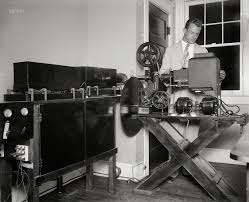
What are the limitations of kinescope recordings?
The process of creating a kinescope was also time-consuming and inefficient. Setting up a camera to record a television screen required precise timing and coordination, which could not capture replays or edits easily. Any errors during the live broadcast were permanently embedded in the kinescope recording, limiting content control. In contrast, modern digital platforms allow content creators to edit videos, add overlays, subtitles, and even schedule live streams with interactive features. These smart marketing tools integrated within a unified platform help businesses tailor their video content for specific audiences and track engagement through analytics, making video a more powerful marketing asset.
Moreover, kinescope recordings lacked metadata and analytics capabilities that are critical for today’s digital video ecosystem. Without the ability to gather viewer data or performance metrics, broadcasters had little insight into audience behavior or preferences. Modern digital video infrastructure incorporates advanced analytics that provide detailed reports on viewer demographics, watch time, and interaction patterns. This data empowers businesses to optimize their content strategy, improve viewer retention, and enhance marketing efforts. The absence of such tools in the kinescope era limited the potential to leverage video as a business growth tool.
In addition, kinescopes were not conducive to live streaming or real-time interactivity, which are now standard features in digital video platforms. The rise of live streaming with integrated video players has transformed how audiences engage with content, allowing instant feedback and interaction. This level of connectivity was impossible with kinescope technology, which was purely a recording medium rather than a live delivery system.
In summary, while kinescope recordings were vital for preserving early television broadcasts, they had significant limitations in quality, flexibility, convenience, and interactivity. These constraints highlight the incredible progress in digital video infrastructure that supports online businesses today. From advanced video players and hosting services to smart analytics and marketing tools, the modern video ecosystem offers a seamless, user-friendly platform for managing and streaming content. Understanding the shortcomings of kinescope technology helps appreciate the value and capabilities of today’s digital video solutions.


+ There are no comments
Add yours