
industries typically use flex PCB suppliers
A flex PCB is a circuit board with conductive traces printed on both sides of a flexible substrate. This insulating material is usually made of polyimide or polyester, which gives it the ability to bend and flex without damaging the traces or components. These circuit boards have a reputation for high reliability and can be made in a variety of styles and constructions. They can also be molded into three-dimensional shapes for use in a wide range of applications, from heads-up displays for aerospace piloting to minuscule devices (like modern hearing aids) for medical care.
A flexible PCB supplier can provide single, double, or multilayer flex boards with different designs and constructions. The process starts with the design of the PCB in a CAD program. This design will determine the expected mechanical and electrical requirements of the final product. It will also set the location of the components and the routing of copper traces. The design files are then used to create the flex circuit’s copper layers. This step involves lamination of a thin layer of copper foil onto the substrate, with each of the copper layers having the desired circuit pattern.
While the majority of printed circuit boards are produced on rigid substrates, there is a growing demand for PCBs that incorporate both rigid and flexible components. flex pcb supplier are designed to bend and conform to the contours of the device they are connecting to, which can be an advantage for many electronic devices, as it will reduce the size of the overall package while allowing the flexibility to move and adjust as needed.
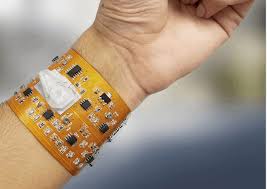
What industries typically use flex PCB suppliers?
The copper traces are then etched with photolithography and other processes to create the circuit’s unique configuration. After the etching, the circuits are bonded together using the chosen adhesive. Some flex circuits require stiffeners to help support the structure and improve rigidity, particularly where the board is likely to experience excessive bending or stress. The stiffeners are typically made of FR4 or polyamide and can be added in places where the circuit will be connected to other components.
These technologies will make your flex PCB more reliable and durable. In addition, they will save you time and money by reducing the assembly process and error rates. They will also help you save on shipping and handling costs by allowing you to fit the board into tighter spaces. Furthermore, flex PCBs are able to withstand extreme conditions, such as vibrations, temperature fluctuations, and humidity. If you want to learn more about the benefits of a flex PCB, you should contact a reputable supplier, such as PCBWay. They have a detailed calculator that can help you figure out how much your design will cost.
After the flex circuits are bonded, they can be cut to size with lasers. This step is especially important for large production runs of a single product. It can dramatically reduce the assembly time for each individual unit, enabling them to be picked up and placed with precision. It can also eliminate the need for hand soldering. Another common modification to a flex circuit is to add shielding to prevent interference from electromagnetic sources. This can be an important feature in products that may encounter environmental hazards, such as vibration or shock.

+ There are no comments
Add yours