
Stand Up Paddle Boarding
Stand up paddle boarding (SUP) is one of the fastest growing outdoor water sports. It is an extremely versatile and fun activity for both beginners and seasoned paddlers. However, like any water sport it comes with its own set of safety risks that must be taken seriously. Fortunately, there are some simple precautions you can take to make sure your time on the water is safe and enjoyable for everyone involved.
First, be sure to wear a PFD (Personal Flotation Device) or life jacket. In some states, paddle boarders are required to wear a PFD or be accompanied by a person who is wearing one. It is also recommended to stay close to shore and let someone know where you are going and what time you should be back.
The type of footwear you choose to wear is another important consideration. If it is warm, barefoot is the best option as it allows you to feel the sand, shingle and rocks beneath your feet and can help with your balance. However, if it is rocky or the ground is covered in algae, then it may be better to wear wetsuit boots. You should also avoid putting on thick gloves, as they can interfere with your grip on the paddle and may make you less able to control the board.
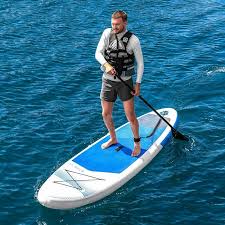
What Should You Wear When Stand Up Paddle Boarding?
Next, it is a good idea to bring some sunscreen. The sun’s reflection off the water can cause serious burns on unprotected parts of your body and even lead to dehydration. Wearing a hat will keep the sun off your head and face and help you to paddle for longer periods of time without feeling the effects of sun exposure.
If you are planning on paddling in cool conditions, then it is a good idea to bring a pair of waterproof kayak boots. These will not only keep your feet dry but will provide a secure, comfortable fit on the Paddle board and will help to prevent slipping. You should also bring a dry bag to carry your personal belongings and water. This will free up your hands and ensure that you have enough space to grip the paddle. In addition, a dry bag will help to keep your clothes and gear from getting wet.
You will also need to choose the right type of paddle for your needs. It is recommended to choose a paddle that is slightly wider than your body. This will give you more stability and allow for more power. You will also want to consider the blade angle. The blade should be angled forward from the shaft, toward the nose of the paddle. This is the side that pushes the water and powers your paddle forward.
Paddleboarding can be done in both calm and rough waters. On calm waters, the sport is relatively easy and leisurely, making it ideal for beginners or those who want to enjoy a peaceful time on the water. On the other hand, when paddling on rough or choppy waters, the sport can become more challenging, requiring the rider to have better balance, technique, and the ability to handle the changing conditions.

+ There are no comments
Add yours